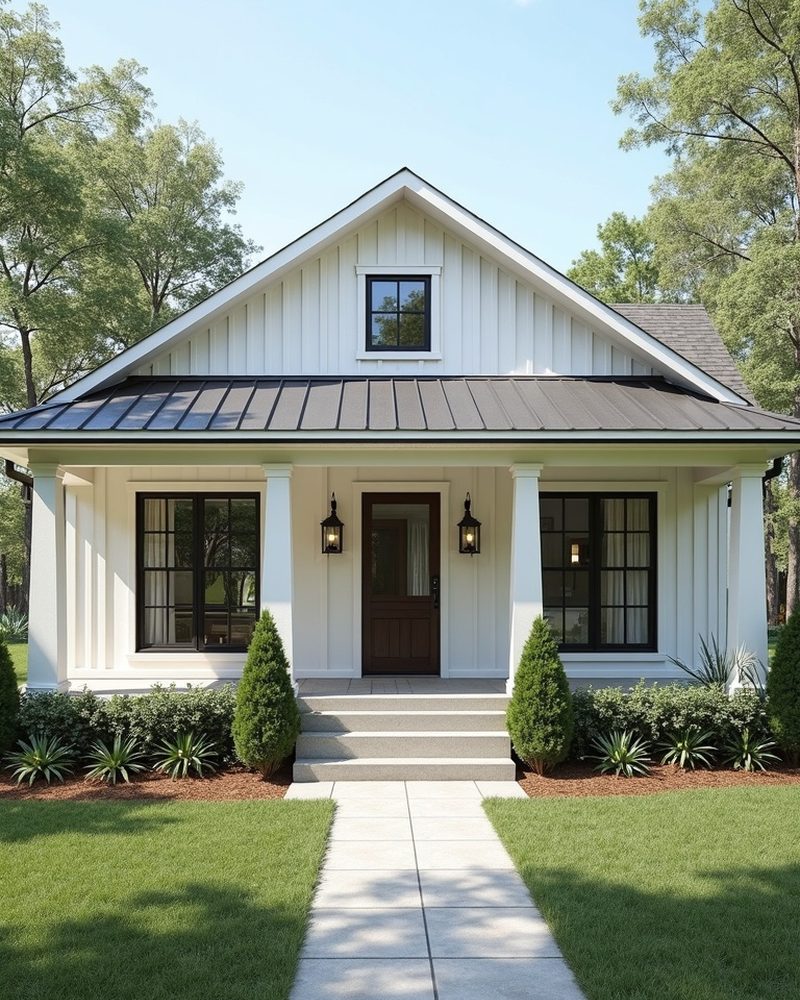
Every real estate market has layers buyers and sellers miss at first glance. In the School District, one of the most powerful and enduring layers is the micro neighborhood that forms immediately around each school. These pockets of homes share commuting patterns, yard sizes, and daily routines that influence demand, pricing, and how quickly properties sell — both today and years from now. Understanding and working with those micro neighborhoods pays off whether you are buying or selling.
What a micro neighborhood is and why it matters
A micro neighborhood is more than proximity to a school. It includes walking routes and sidewalks, parent pickup and dropoff logistics, street parking habits, afterschool program locations, playground access, and even where parents park for weekend events. These details shape buyer preferences and become persistent selling points. Listings inside highly functional micro neighborhoods capture attention from families who value convenience, safety, and community continuity — which translates into stronger offers and faster sales.
For buyers: how to evaluate micro neighborhood value
When touring homes, look beyond the house. Time the school day commute, visit the area at dismissal time, and test the walk to school if applicable. Ask about bus stop assignments and school boundary change history. Consider resale by imagining who will want the home in five to ten years: will families with young kids find it convenient, or is it better suited to empty nesters? These long-term perspectives help you avoid overpaying for a location that lacks durable family demand.
For sellers: how to highlight your micro neighborhood
Sellers should market the small details parents search for. Call attention to safe sidewalks, nearby afterschool activities, community events, gated play zones, and dropoff logistics in listing descriptions and virtual tours. Provide a neighborhood one-sheet that explains walking routes, average school commute times, and where parents typically park for events. These items help buyers instantly picture family life at your address and reduce friction during negotiations.
Small upgrades that convert micro neighborhood advantage into higher offers
You don't need a major renovation to capitalize on location. Add a functional mudroom or landing area for backpacks and sneakers, create a dedicated study nook, improve entry lighting for safer evening pickups, and install durable flooring near entrances. These low-to-moderate cost changes yield strong returns with the family buyer in mind because they spotlight how well the home works within the micro neighborhood.
Timing and listing strategy tuned to school rhythms
School enrollment calendars and major events drive buyer attention. Listings that go live before registration windows or ahead of major school events often attract motivated parents planning moves. Schedule open houses at times convenient to local families, for example late afternoons or weekends after major school activities, and include neighborhood logistics in show materials so out-of-town buyers can instantly understand the commute and routine.
What data to gather and how to present it to buyers
Collect facts buyers want: recent boundary change history, bus route maps, walk scores to the school, local afterschool options, and even a snapshot of morning rush patterns. Present these in a concise neighborhood profile
